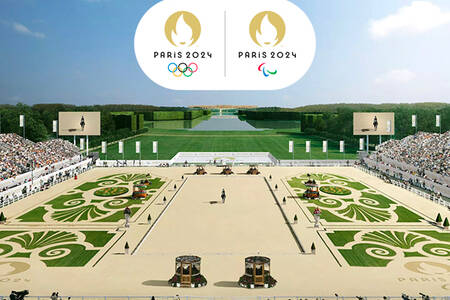
Petite enfanceParcours multisports, ateliers, spectacle… Les P'tits JO accueillent les petits...Parents et enfants, rendez-vous le samedi 4 mai de 10h à 17h à l’hôtel de ville pour une journée sur le thème des Jeux Olympiques.
En mai, le réseau des bibliothèques éveille vos cinq sensAteliers créatifs, sieste musicale, heures du conte, fresque de la biodiversité… Retrouvez le programme de Mai Papillon !
QuartiersEn attendant les Jeux… Les maisons de quartier s'animent !Jusqu'au 31 mai, les quartiers sont mis en lumière et célèbrent les Jeux Olympiques à Versailles.
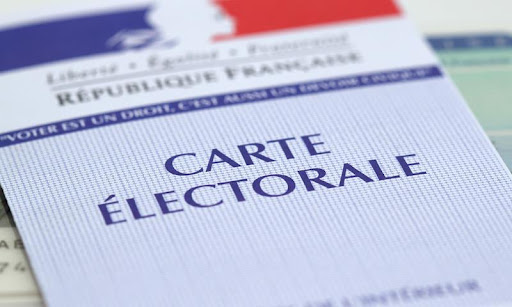
Pour voter aux élections européennes, inscrivez-vous sur les listes électorales.Les élections du 9 juin approchent... Inscrivez-vous avant le mercredi 1er mai pour pouvoir voter.
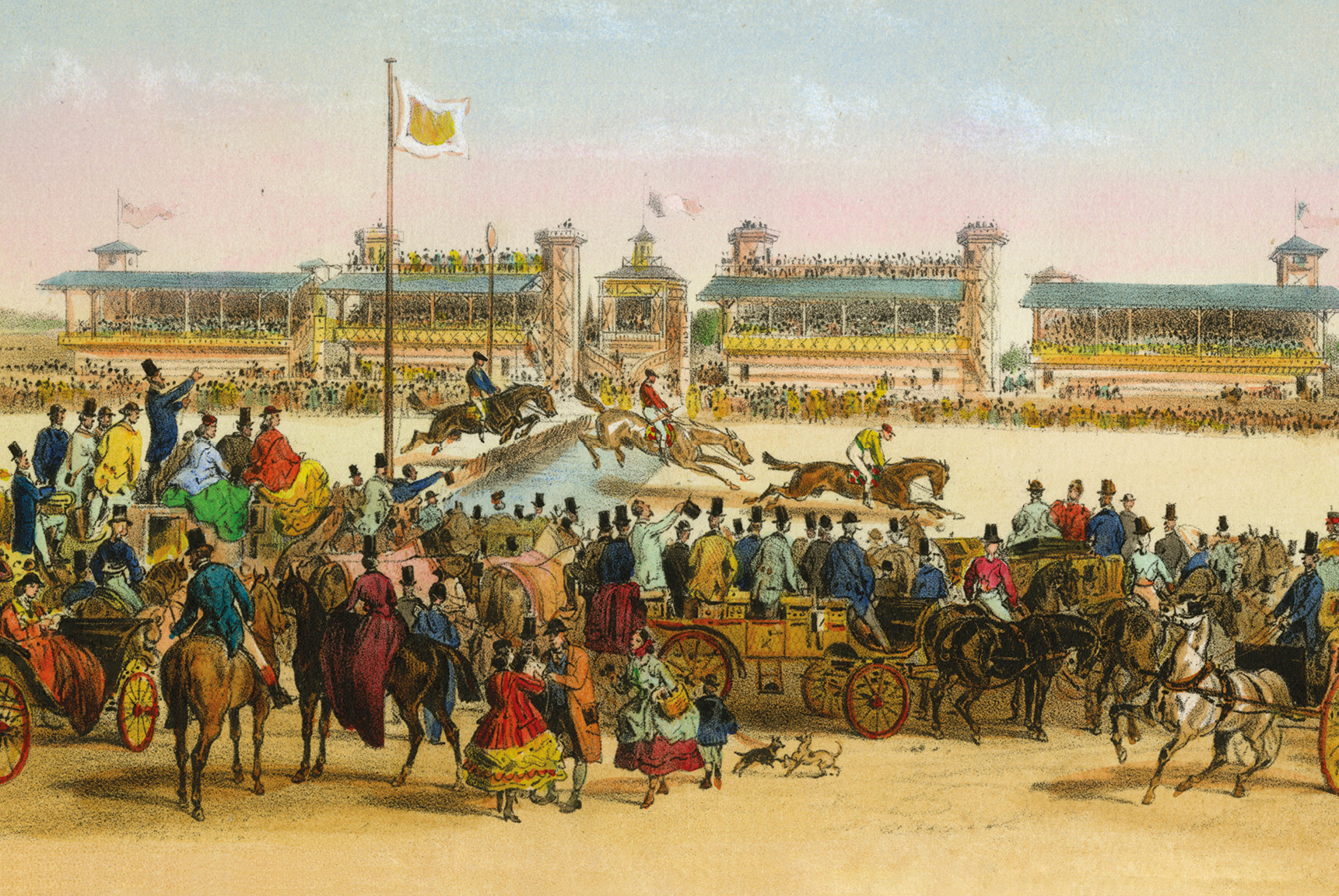
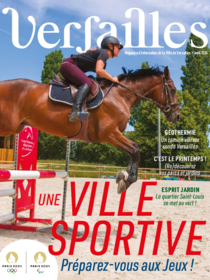
Archives communalesHistoire du sport à Versailles, une mémoire en mouvementDu 6 avril au 29 juin 2024, découvrez plus de 2 siècles de pratique sportive à Versailles.
CultureDerniers jours pour découvrir l'exposition H5. Voir la French touch : 30 ans de...Et retrouvez le catalogue de l'exposition pour plongez dans l'univers graphique et musical d'H5.
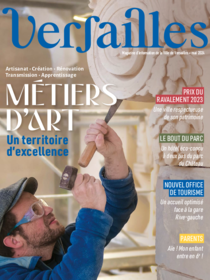
Culture Initiez-vous à des savoir-faire d’exception avec des Maîtres d’art.Du 24 au 28 juin, un programme de rencontres privilégiées avec des Maître d’arts et des ateliers d’initiation.
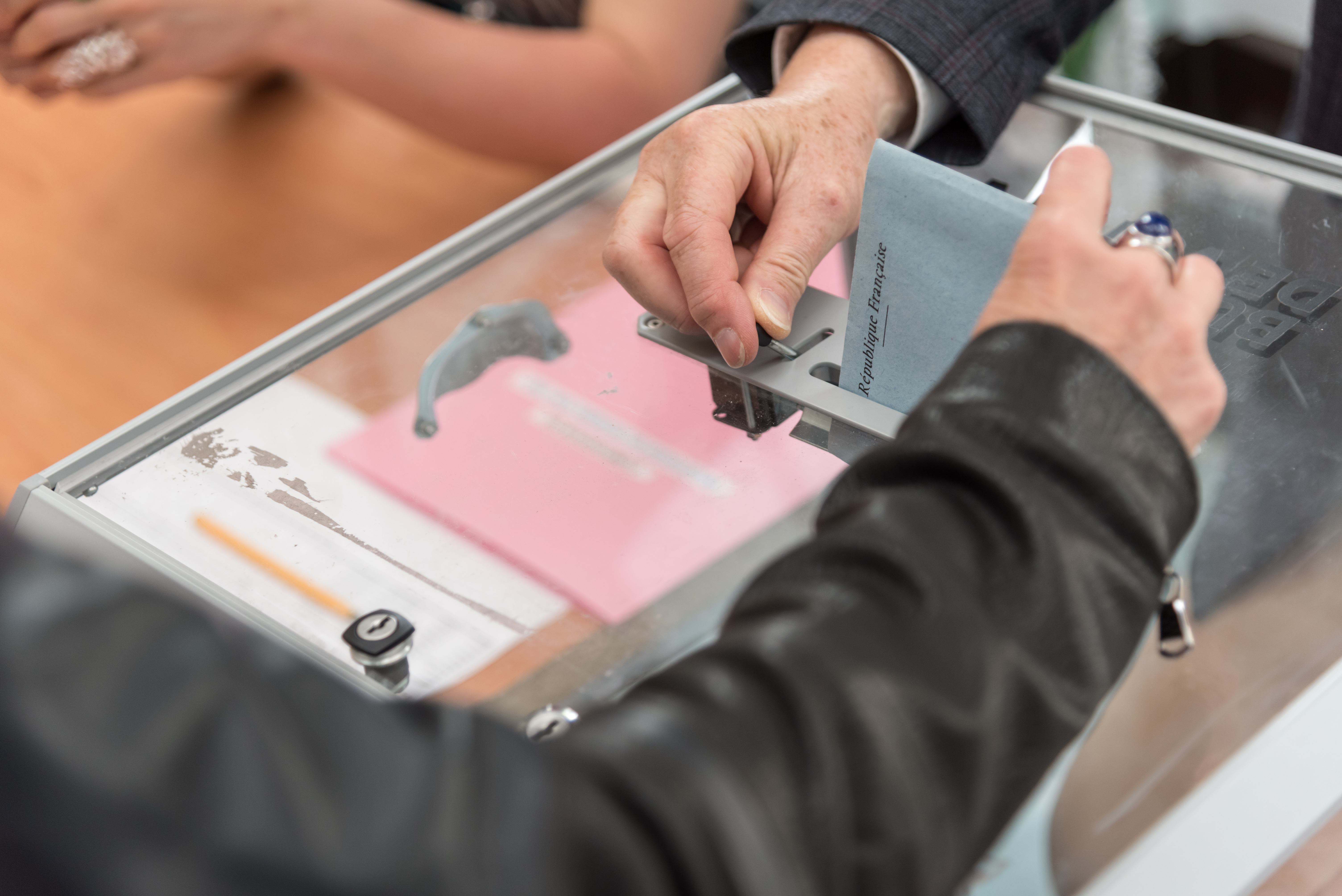
Appel à candidature pour les élections européennesDevenez bénévole ou assesseur le dimanche 9 juin 2024 !
Expositions et événementsHistoire du sport à Versailles, une mémoire en mouvementBibliothèque Centrale02mai04mai